
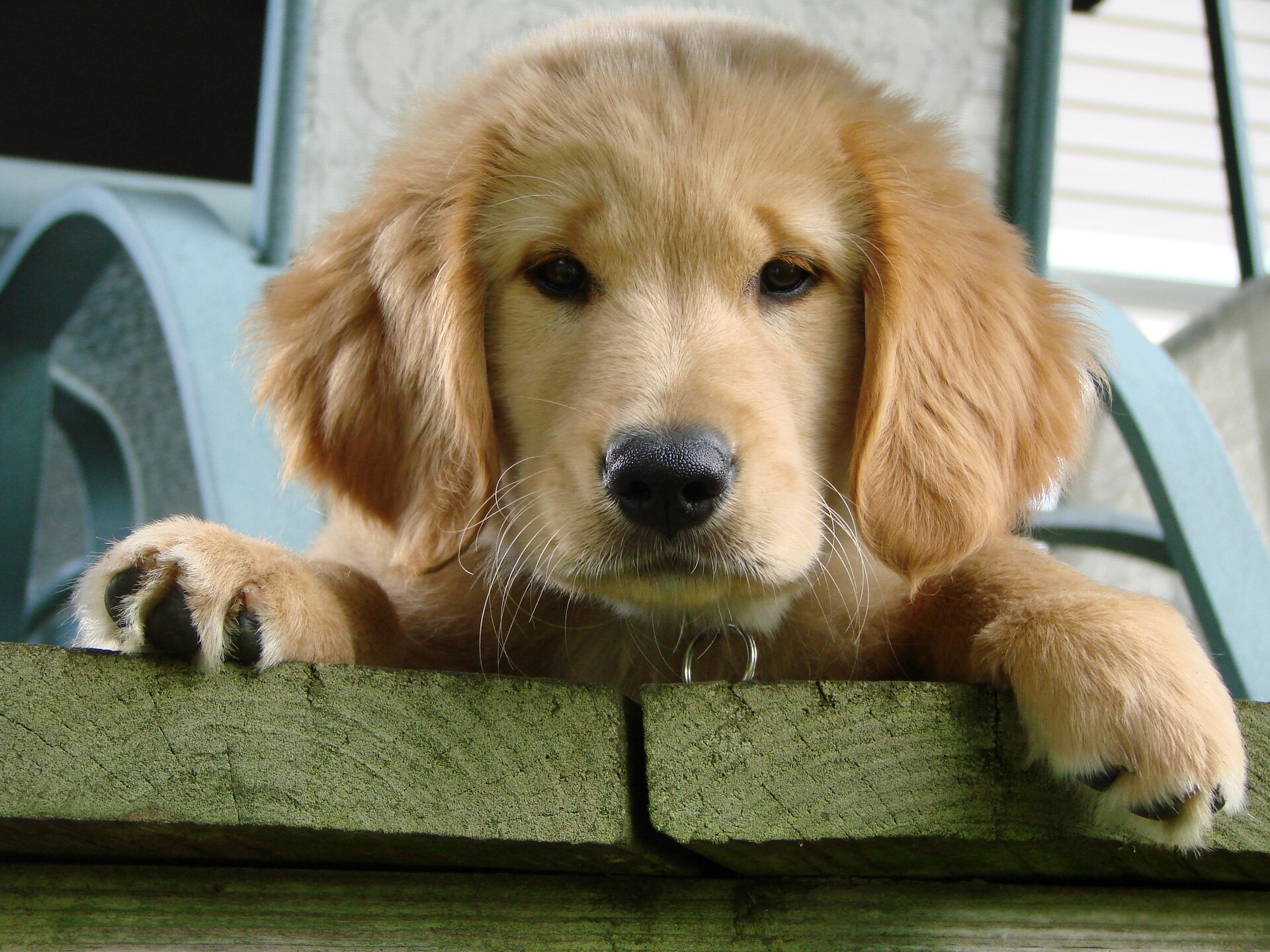
Canine taxidermy preserves a dog’s skin or body in a fixed pose. It is permanent and cannot be undone. It also cannot restore your dog to its prime, so the result is more a memorial than an exact copy of the animal you knew.
What does canine taxidermy actually involve?
You knew this animal for years. You know its face, its posture and its habits. The work has to answer to that memory.
Two approaches are common for pets. Each one works differently.
Freeze-drying
Providers describe this as removing moisture from the body under very cold temperatures and vacuum conditions. The aim is to keep the natural form of the body in a fixed pose. The result is still a preserved object. It is rigid. It does not feel like a living animal.
Traditional mounting
Here the skin is preserved and fitted over an internal form. The taxidermist sculpts the features, positions the ears and sets glass eyes to match your dog’s expression. Some artists argue that a mount lasts longer than a freeze-dried body, because less of the original tissue stays inside. Providers disagree on this. That is one reason to ask to see portfolios and speak to past clients.
The label matters less than the person doing the work. Skill, ethics and the condition of your pet from the moment of death shape the outcome far more.
What can taxidermy not do for a pet?
Your dog will be preserved in its current condition. That is the central limit.
Age, illness and accidents can make a pet unsuitable for the work. Taxidermy can freeze time. It cannot bring an animal back to the prime of its life.
Recreating the face of a companion is hard. You notice small things that a stranger would miss. Think of the way your dog sat, the set of its ears, the look around its mouth. A taxidermist works from photographs and from what you tell them. Some of that character is difficult to capture.
This is why many artists describe pet work as a memorial piece. It is not a promise of an exact replica of the animal in life.
Plan around these points:
- The process is permanent.
- The result reflects your dog’s condition at death.
- Facial nuances are the hardest part to reproduce.
- Expect a tribute, not a living likeness.
Take your time. Do not decide in the first hours of grief.
What should you do in the first hours after your dog dies?
Act on the body first. Decide on the rest later.
Wrap your dog in airtight plastic. Freeze the body as soon as possible. This slows decomposition and gives you time to grieve and think through your options with a clear mind.
Providers add that you should protect the body from freezer burn. Careful wrapping and sealed bags help with this. Do not cut corners here. Poor handling at this stage can limit what a taxidermist can do later.
A few practical steps:
- Place the body in a sealed, airtight bag.
- Freeze it promptly.
- Keep your photographs of your dog together in one place.
- Contact a provider only when you feel ready.
Good reference photographs matter. They show the face, the ears, the lips and the way your dog stood. Gather clear images from several angles. A taxidermist cannot rebuild expression from nothing.
Once the body is frozen, nothing is lost by waiting. You can talk to more than one provider.
Which alternatives to full taxidermy exist?
Full preservation is not the only way to keep something of your dog. Many families choose a smaller keepsake. Others combine several.
Options listed by pet taxidermists include:
- A patch of fur, backed onto fabric or set in a frame.
- A preserved paw or tail, capped with metal or mounted on a pedestal.
- A cleaned skeleton, which can be kept in a memorial box.
- Cremation of the inner body, which can go alongside taxidermy but not skeletal cleaning.
- A portrait in paint, pastel or pencil.
- A digital rendering.
- A needle-felt portrait that can include fur clippings or whiskers.
You can combine several of these.
Cremation with a home memorial is another route. It is flexible. You can keep the ashes at home, scatter them later, or divide them among keepsakes. Taxidermy and freeze-drying leave less room to change your mind. They also demand more long-term upkeep.
Ask yourself a few honest questions. Will seeing your dog every day comfort you or reopen the wound? How will your children or partner feel? Will you want this in five years? There is no universal right answer.
How do you care for a preserved dog and judge the result?
A preserved dog needs steady care. Treat it as a collection object.
Several things damage taxidermy over time:
- Pests such as dermestid beetles, clothes moths and rodents.
- Light, especially ultraviolet light, which fades fur.
- Warm rooms, which can make residual fats leave the skin and fur loosen.
- Swings in humidity. Very dry air can shrink and crack skin. Damp air can encourage mould and pests.
- Dust and airborne pollutants.
- Rough handling.
Ears are a weak point. On mammals, the ears tend to be the first part to break or become disfigured. Handle your dog’s mount with care and support it when you move it. Pack it well if it ever has to be shipped.
Signs of pests include small piles of dust under the piece, shed larval skins, chewing marks, loss of fur and webbing. Check the mount regularly.
Judge a finished piece in layers:
- From across the room, does the silhouette look like your dog?
- Up close, do the face, eyes, lips and ears feel right?
- Does the fur look natural?
- Does the piece comfort you rather than unsettle you?
That last point matters most. If a result does not feel right, say so before you accept it.
Frequently asked questions
Can any dog be preserved with taxidermy?
No. Some pets are unsuitable because of age, illness or accidents. Your dog is preserved in its current condition, so taxidermy cannot restore it to its prime.
What should you do right after your dog dies if you are considering taxidermy?
Wrap your dog in airtight plastic and freeze the body as soon as possible. This buys you time to grieve and weigh your options. Sealed wrapping also helps protect against freezer burn.
Is freeze-drying better than traditional mounting?
Neither is better in every case. Freeze-drying aims to keep the natural body form, while mounting fits skin over a sculpted form. Results depend mostly on the provider’s skill, so compare portfolios.
What can you choose instead of full taxidermy?
You can keep a patch of fur, a preserved paw or tail, or a cleaned skeleton. You can also commission a portrait or a needle-felt piece. Several of these can be combined.
Related reading
- How a Shoulder Mount Is Made: From Field to Wall
- Taxidermy and the Law: Migratory Birds, CITES and What You Cannot Mount
Sources
- Pet Taxidermy (alexandrarosetaxidermy.co.uk, accessed 2026-11-02)
- Conservation and restoration of taxidermy — Wikipédia (en.wikipedia.org, accessed 2026-11-02)
Photo: Callie the golden retriever puppy, by MichaelMcPhee, CC BY 3.0 (Wikimedia Commons)