
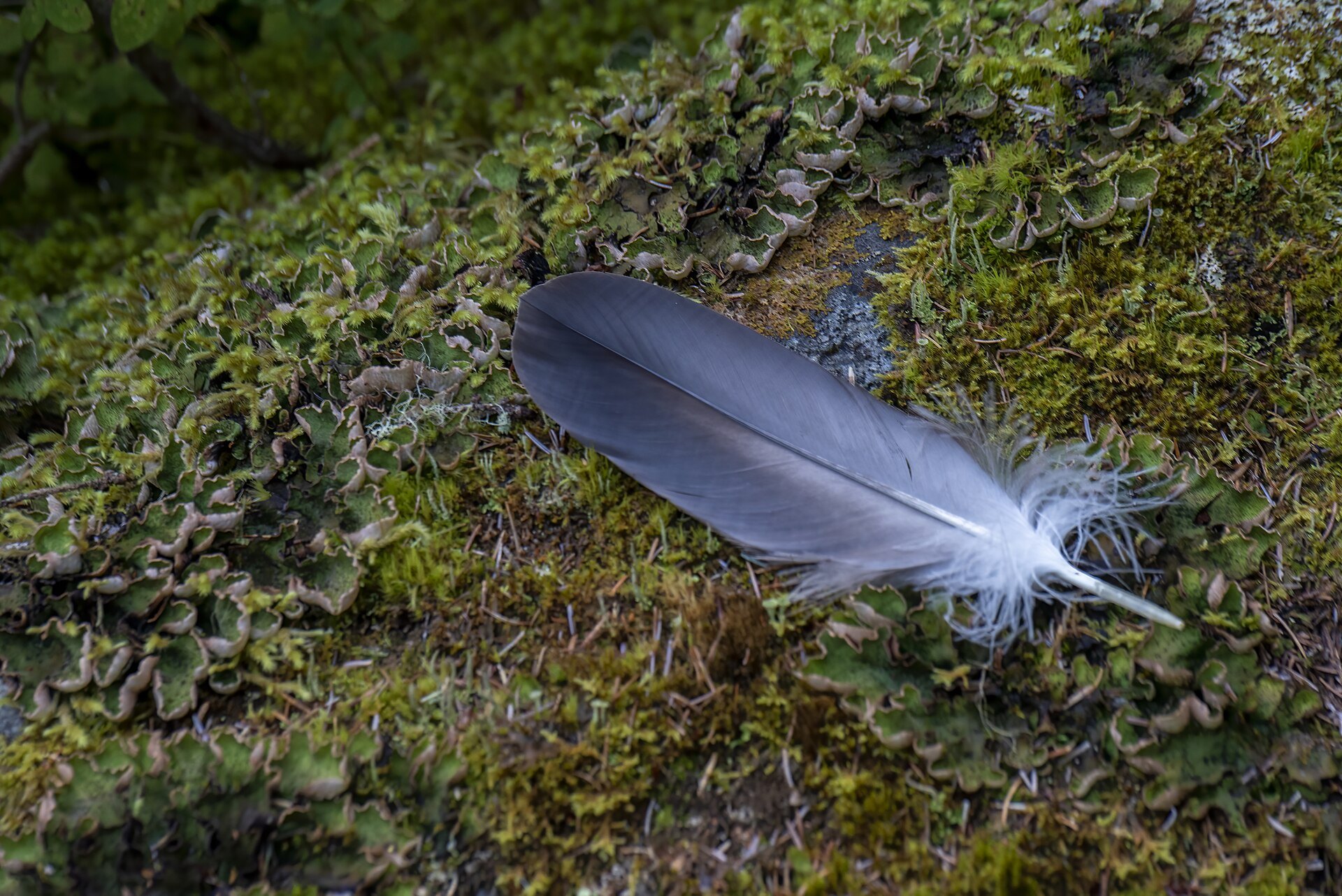
A great deal of taxidermy law comes as a surprise to people who have never broken it. The owl in the antique shop, the hawk feather found on a trail, the sea turtle shell inherited from a grandparent, the deer hit by a car on the way home: each of these sits inside a web of federal, state and international rules that a well-meaning person can walk into without noticing. We are not lawyers, and nothing here replaces a call to your state wildlife agency, but the outline below covers the questions we hear most often.
The Migratory Bird Treaty Act
The single most important law for anyone interested in bird taxidermy in the United States is the Migratory Bird Treaty Act of 1918. It protects more than a thousand species of native birds, and its reach is far wider than the word migratory suggests. Songbirds, hawks, owls, herons, gulls, woodpeckers, hummingbirds and crows are all covered. Under the act it is illegal to possess any part of a protected bird without a permit: not only a mounted specimen, but a single feather, an egg, a nest or a skull. It makes no difference that the bird was found dead or that the feather was picked up from the ground.
The exceptions are the birds that can be legally hunted with a license and the right stamps: ducks, geese, doves, woodcock, snipe, rails and a few others, taken in season. A legally harvested mallard can be mounted and kept. A great horned owl that flew into a window cannot, though it can be reported to a museum, which may hold a salvage permit. Species that are not native to North America, such as the house sparrow, the starling and the rock pigeon, and non-migratory game birds like wild turkey, grouse, pheasant and quail, fall outside the act, though state rules still apply.
Eagles, a case apart
Bald and golden eagles have their own statute, the Bald and Golden Eagle Protection Act, with penalties that go well beyond those of the Migratory Bird Treaty Act. Possession of eagle parts, including feathers and talons, is prohibited for nearly everyone. The exception is for enrolled members of federally recognized Native American tribes, who may apply to the National Eagle Repository for feathers for religious use. No taxidermist may mount an eagle for a private client, and an eagle mount offered for sale, however old, is a serious problem for seller and buyer alike.
CITES and the international trade
The Convention on International Trade in Endangered Species, known as CITES, is an agreement among more than 180 countries that regulates the movement of listed species and their parts across borders. It works through three appendices. Appendix I covers species threatened with extinction, such as tigers, rhinoceroses, sea turtles and most great apes, and commercial trade in them is essentially prohibited. Appendix II covers species that are not yet threatened but could become so, including many bears, cats, crocodiles, parrots and all elephants not in Appendix I, and trade requires export permits. Appendix III lists species protected in at least one country that has asked for help controlling trade.
For a hunter, CITES matters most when bringing a trophy home from abroad. A legally taken leopard, a brown bear from another country, or a crocodile skin all need CITES export documents from the country of origin and an import declaration at a designated port of entry. The paperwork is usually handled by the outfitter and a customs broker, but the responsibility rests with the owner, and a missing permit means the trophy is seized. Within the United States, the Endangered Species Act adds its own list, regulated even without a border crossing.
State permits and the taxidermist’s license
Most states require anyone who mounts animals for others to hold a taxidermy license, to keep records of every specimen received, including the client’s name and the hunting license or tag number, and to make those records available to wildlife officers. This is why a reputable studio asks to see your tag before accepting a deer. The records protect the honest hunter as much as the state.
Beyond that, the rules on what an individual may possess vary considerably from one state to the next:
- Roadkill: some states allow salvage of deer and other animals killed by vehicles with a free permit obtained online or by phone; others prohibit it outright; a few permit it only for meat, not for antlers or hides.
- Found antlers and skulls: shed antlers are usually free to collect, but a skull with antlers attached often requires a salvage tag to prove the animal was not poached.
- Furbearers and predators: bobcat, otter and other furbearers may require a pelt tag, and in some states a CITES tag, before they can be mounted or sold.
- Sale of mounts: some states forbid the sale of any native game animal mount; others permit it with documentation.
Antiques and the problem of provenance
The old mount at the estate sale is where good people most often get into trouble. A Victorian case of songbirds, an owl on a branch, a hawk under a glass dome: all were legal when made and all are illegal to sell, and often to possess, today unless they qualify for an antique exemption. Under federal law an item may qualify if it is at least a hundred years old, was not repaired with protected parts after 1973, and comes with evidence of its age. Proving that is harder than it sounds.
The same caution applies to ivory, sea turtle shell, big-cat skins and anything made from a species now listed under CITES or the Endangered Species Act. The safe course, before buying, is to ask for documentation and, if in doubt, to call the wildlife agency in your state. A game warden would far rather answer a question than open a case.
Why we think the rules deserve respect
It is tempting to see all of this as bureaucracy standing between a person and a feather. We do not. The Migratory Bird Treaty Act was written when egrets were being shot by the hundred thousand for hat plumes. CITES exists because the trade in rhinoceros horn and tiger bone can empty a landscape in a decade. The laws are blunt, and they occasionally catch a harmless person with an old owl, but unregulated collecting has a long record of ending badly for the animals. Taxidermy done with paperwork in order honors an animal. Done without it, it is part of the problem, and no mount is worth that.