
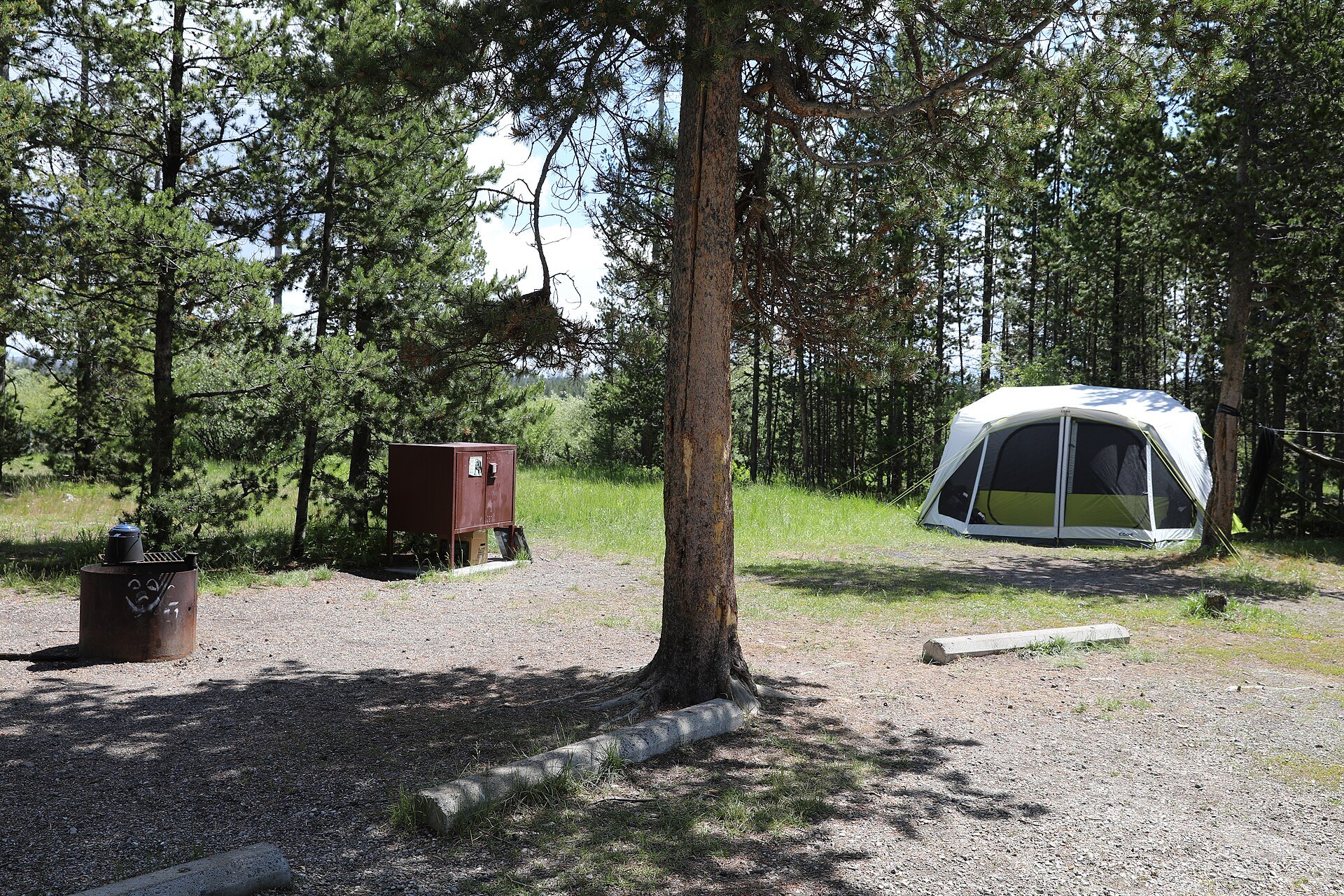
The Hill Country is the crumpled edge of the Edwards Plateau, a limestone upland west of Austin and San Antonio where spring-fed rivers have cut clear green channels through white rock, live oak and Ashe juniper. It is a landscape with its own rules. The water is cold and the air is hot, the sky at night is bigger than anywhere else in the eastern half of the state, and a dry creek can become a killing wall of water in less time than it takes to strike a tent. This is our field guide to camping it well.
Enchanted Rock: granite, stars and a full parking lot
North of Fredericksburg, a pink granite dome rises about 425 feet above the surrounding country to a summit near 1,825 feet, one of the largest exposed batholiths in the United States. The rock creaks and groans as it cools at night, which gave it its name, and the summit view at dusk takes in a hundred miles of rolling oak country. The park is an International Dark Sky Park, and the Milky Way over the dome on a moonless night is the reason to stay rather than day trip.
Camping is in walk-in tent sites a few hundred yards from the lot, plus primitive backpack sites a mile or more out with no water. There are no drive-up RV hookups. The park fills on nearly every weekend from March to November and closes its gate when capacity is reached, so a reservation for both the campsite and the day pass is required rather than optional. Rock climbing, vernal pools that hold fairy shrimp, and a 45-minute summit scramble are the draws. Water on the dome in summer is nonexistent; carry two liters per person for the climb alone.
Pedernales Falls: limestone steps and the siren
Near Johnson City, the Pedernales River drops about 50 feet over 3,000 feet of tilted limestone ledges, and at normal flow the falls are a series of pools and chutes you can walk beside for an hour. Swimming is prohibited at the falls themselves but allowed in a stretch downstream, and the park’s roughly 5,200 acres carry more than 20 miles of trail through juniper and oak with good odds of seeing white-tailed deer, armadillos and, in the bird blind, painted buntings in late spring.
The drive-in campground has water and electric sites, and there are primitive sites reached by a 2-mile hike. Pay attention to the flash flood sirens installed near the falls. The Pedernales can rise many feet in minutes from a storm you never see, and the park closes the river area when the gauge climbs. If you hear the siren, climb to high ground at once and do not go back for gear.
The Guadalupe and Lost Maples in autumn
Guadalupe River State Park, north of San Antonio, has about four miles of river frontage lined with bald cypress trees hundreds of years old, and a bank of rounded stones that is the picture most people carry of Hill Country swimming. The campground has water and electric sites and walk-in tent sites, and tubing, paddling and fly fishing for Guadalupe bass, the state fish, fill the day.
Lost Maples, near Vanderpool on the upper Sabinal River, is the one Hill Country park with a season. A relict stand of bigtooth maples, left over from a cooler climate, turns red and orange from late October to mid-November, and the park publishes a weekly foliage report. Weekend day-use is capped by vehicle count during that window and camping is booked months out. Come midweek if you can, hike the East Trail loop of about 4.5 miles for the best color, and expect crisp mornings in the 40s and afternoons in the 70s, which is as good as Texas camping weather gets. The primitive sites along the trail are among the quietest in the region.
Heat, floods and the other hazards
From June through September, daytime highs commonly reach 95 to 105 degrees Fahrenheit, and the limestone radiates it back after dark. Hike before nine and after six, plan to drink 4 to 6 liters a day, add electrolytes, and treat a headache and a stop in sweating as an emergency. Shade is thin under juniper and the rivers are the only real relief. Heat is the reason most local campers simply do not go in high summer.
Flash floods are the reason the region is called Flash Flood Alley. Thin soil over rock sheds rain instantly into narrow valleys, and storms can stall and drop 10 inches in a night. The Blanco River rose more than 40 feet at Wimberley in May 2015, and in July 2025 the Guadalupe near Kerrville rose more than 20 feet in well under an hour before dawn, with catastrophic loss of life along its banks. The lessons are firm: never camp in a dry wash or on a low gravel bar, check the forecast for the entire watershed upstream and not just your campsite, keep a weather radio or phone alerts on overnight, know your escape route to high ground before dark, and never drive through water across a road. Half of all flood deaths happen in vehicles.
Beyond water and heat, expect chiggers and ticks from spring through fall, fire ants everywhere, western diamondbacks warming on trails in the evening, scorpions in boots left outside, and poison ivy along creek trails.
Reservations, fees and the best months
All state parks in the region use a single online reservation system, and sites and day passes can be booked up to five months in advance. Entrance runs 6 to 8 USD per adult per day, waived with an annual state parks pass of about 70 USD, and campsites cost roughly 10 USD for primitive sites, 20 to 25 USD for water and electric. Popular parks release their weekend inventory to a wait list within hours, so book the day the window opens or aim for Sunday through Thursday nights.
The best months are March through May, when bluebonnets and paintbrush cover the roadsides, the rivers run full, and nights sit in the 50s, and again October through November, when the maples turn and the heat breaks. December through February is quiet and often lovely, with the caveat that juniper pollen counts peak and a blue norther can drop temperatures 30 degrees in an afternoon. Whenever you go, arrive with more water than seems reasonable, a plan for the storm you hope never comes, and time to sit up late under that sky.