
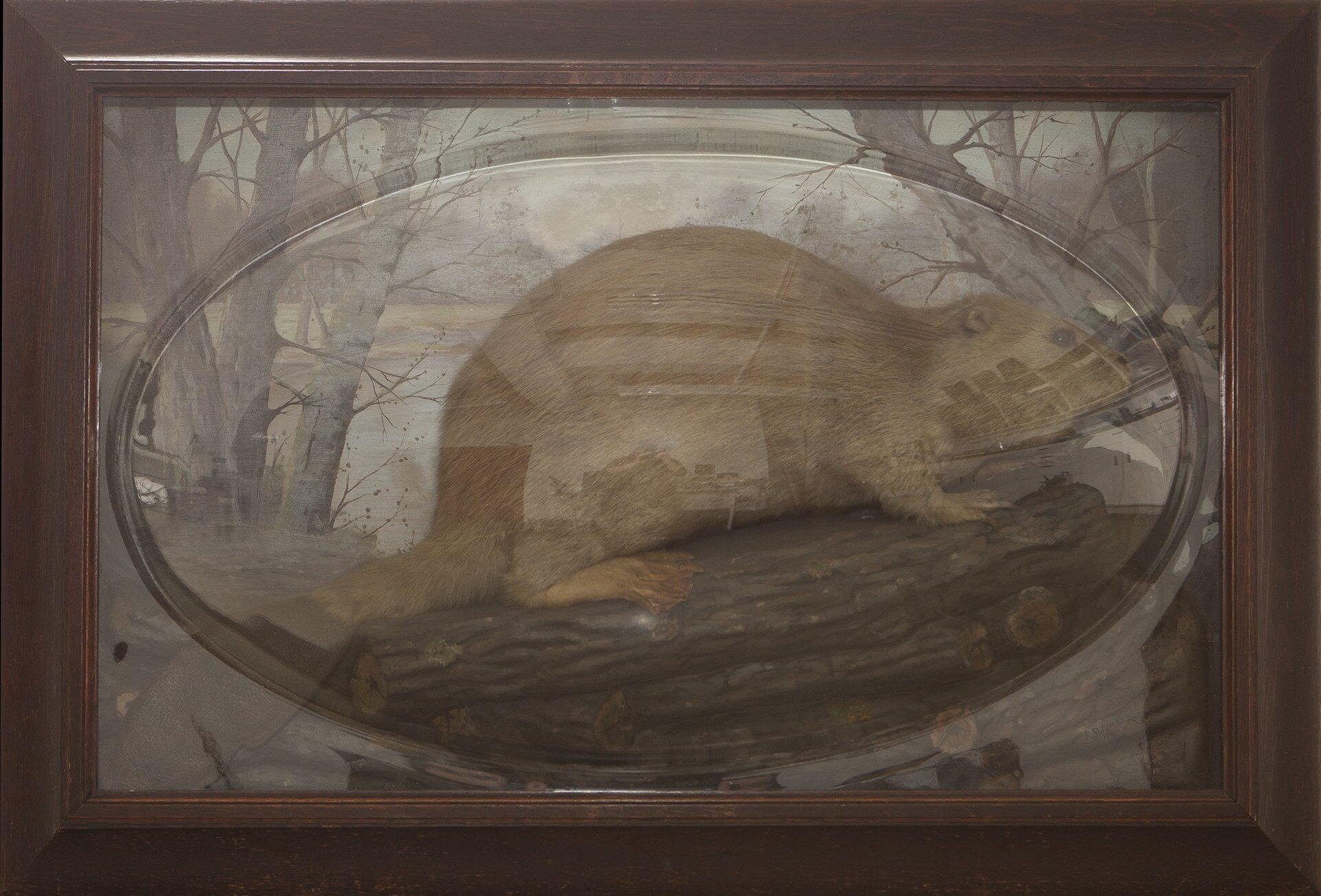
A well-made mount can outlive the person who commissioned it by a century. A neglected one can be ruined in a couple of summers. The difference has little to do with the quality of the taxidermy and almost everything to do with where the piece hangs and how it is treated in the years after it comes home. We have seen hundred-year-old museum specimens in nearly perfect condition and five-year-old deer heads with bald patches and cracked noses. The lessons from both are simple.
Placement: the decision that matters most
Where you hang a mount is the single biggest factor in how long it lasts. Direct sunlight is the great enemy. Ultraviolet light bleaches hair and feathers, and it does so unevenly, so that after a few years a deer hung opposite a south-facing window has a pale side and a dark side. Sunlight also warms the hide, drying and cracking the painted areas of the nose and eyelids. Choose a wall that never receives direct sun, or fit the window with a UV-filtering film, which is inexpensive and invisible.
Heat is the second problem. A mount above a fireplace is a tradition, and it is a poor one; the rising warmth and the cycles of hot and cold dry out the hide, loosen the glue around the eyes, and can crack a form. The same applies to a spot above a radiator or a heating vent. Kitchens are bad for a different reason: cooking grease settles on hair and feathers and cannot be fully removed.
Humidity: the 40 to 55 percent window
Tanned skin is still skin, and it responds to the moisture in the air. Too dry, and the hide shrinks, the seams pull, and ears curl and split at the edges. Too damp, and mold grows in the hair, the form can swell, and every insect in the house finds the mount attractive. The comfortable range for most mounts, and for the people living with them, is a relative humidity of 40 to 55 percent. A cheap hygrometer placed near the mount tells you where you stand. A humidifier in winter or a dehumidifier in a basement room in summer costs far less than a restoration.
Basements and unheated cabins are the classic trouble spots. If a mount must live in one, keep it off exterior walls, run a dehumidifier, and check it every few months for the signs described below.
Dusting and cleaning
Dust settles on a mount as on everything else, but it settles into hair and feathers and holds moisture and grease against them. Light, regular cleaning is far better than an occasional heavy one. For a hair mount, a soft brush or a feather duster, worked with the lay of the hair, is enough for routine care. Once or twice a year, a vacuum with a soft brush attachment, held slightly away from the surface and always moving with the hair, will lift what the duster misses. Never brush against the grain, and never use a stiff brush around the eyes, ears or nose.
For deeper cleaning, a cloth barely dampened with water and a drop of mild soap can be drawn along the hair and followed with a dry cloth. Do not soak the hide. Glass eyes can be wiped with a cotton swab and a little water or glass cleaner sprayed on the swab, never on the mount. Feathered pieces need more care: a very soft brush, a gentle stream of compressed air, and no liquid at all. Antlers and horns can be wiped with a damp cloth and, if dulled, lightly oiled with a little linseed.
The insects that eat mounts
The two pests that destroy more taxidermy than anything else are the clothes moth and the dermestid beetle, the same small beetle that professionals keep in colonies to clean skulls. Both lay eggs in hair, fur and feathers, and their larvae eat the keratin. The damage is often invisible until it is severe. What to look for:
- Small patches of hair that have been cut short, as if by a razor, usually first around the base of the ears, the brisket and the seams.
- A fine, sand-like dust of hair fragments and larval droppings on the shelf or floor beneath the mount.
- Cast larval skins, tiny, bristly and brown, caught in the hair or on the panel.
- Adult moths flying up when the mount is disturbed, or small black or mottled beetles on nearby windowsills in spring.
If you find any of these, act at once. Bag the mount in plastic and freeze it for a week if it will fit in a chest freezer; a deep freeze kills every stage of both insects. For large pieces, a professional can fumigate. Afterwards, inspect every other mount, rug and wool item in the house, because an infestation rarely stays in one place. Museums rely on inspection more than chemicals, and a quarterly look at the vulnerable spots is the best habit of all.
Small repairs and when to call for help
A few problems are within reach of a careful owner. A hairline crack in the painted nose can be touched up with a little acrylic paint; a loose ear liner can be reglued; slightly flattened hair can be lifted with a fine comb. Faded antlers can be restored with a stain. Anything beyond that, and especially anything involving the eyes, the seams or a hide that has begun to separate from the form, is a job for a taxidermist. Restoration work on a deer shoulder mount usually costs 100 to 300 dollars; a full re-mount, in which the old skin is removed, cleaned and fitted to a new form, runs closer to the price of a new mount and is only worth it for a piece of real sentimental value.
A note on the very old
Antique mounts made before the 1940s were often treated with arsenic and, later, with other pesticides, and the powder can remain in the hair and the stuffing. Handle them with gloves, do not let children touch them, and do not vacuum them in a closed room. Beyond that, they deserve the same care as a new piece: away from sun, away from heat, in air that is neither dry nor damp, dusted gently and inspected often. The animal gave up a great deal to become the thing on your wall. Looking after it well for the decades to come is the least the arrangement asks of us.