
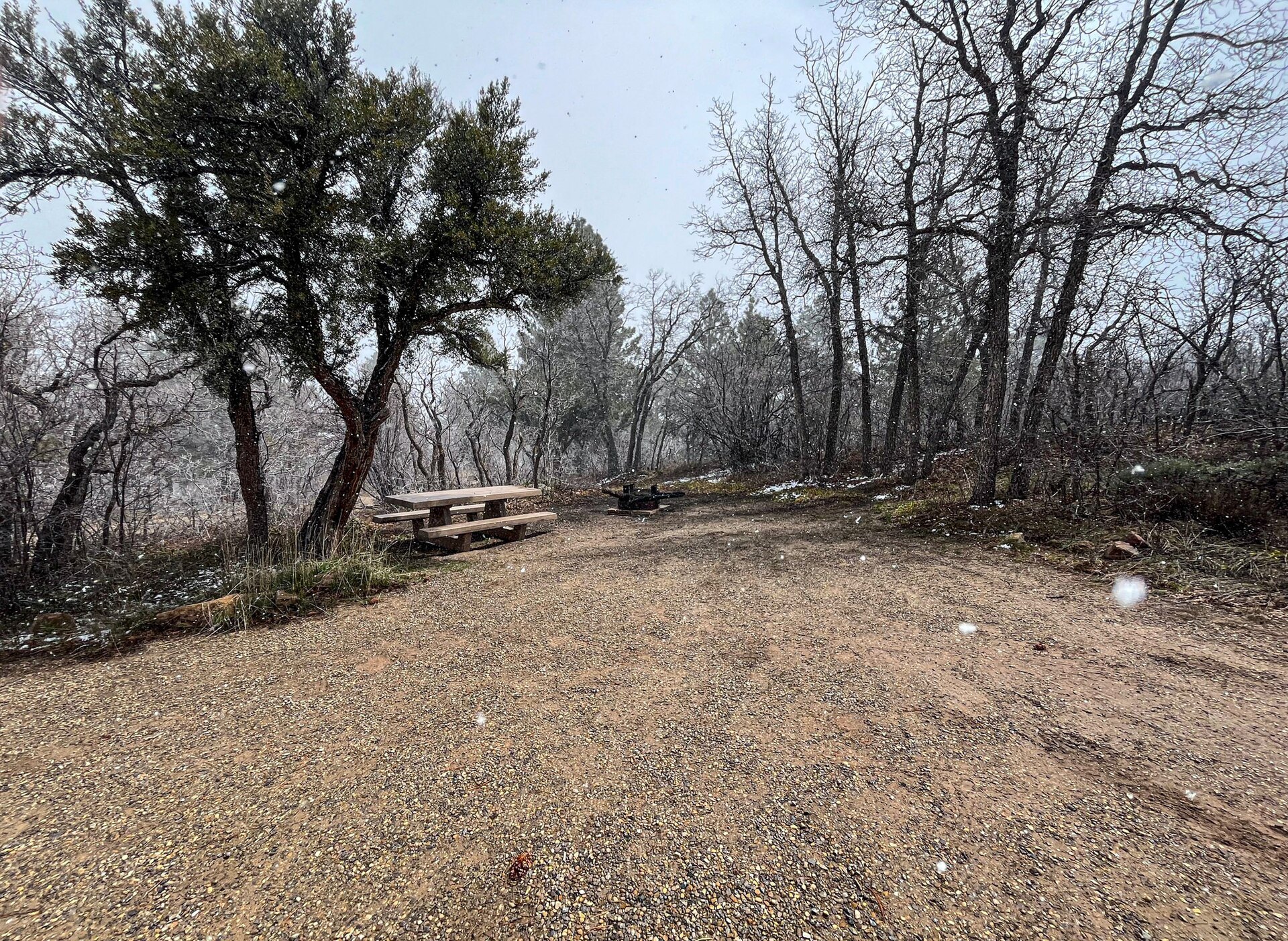
A campfire is the oldest piece of camp equipment there is, and it is also the one that starts the most trouble. Roughly 85 percent of wildfires in the United States are caused by people, and unattended or poorly extinguished campfires sit near the top of that list every year. The answer is not to give up fires, which are legitimately useful for warmth, cooking, drying gear and morale. The answer is to build them small and hot, in the right place, on the right day, and to leave nothing behind but cold ash. Here is how we do it.
First, is a fire allowed today
Before anything else, check the burn status. In Texas, burn bans are declared county by county and the state forest service publishes a map that is updated daily; at the height of a dry summer more than 200 of the 254 counties can be under a ban at once. State parks and federal units add their own restrictions on top, and a park may prohibit ground fires even when the county allows them. National forests use a staged system: stage one usually limits fires to developed rings, stage two bans them entirely along with charcoal and sometimes smoking outside vehicles.
Wind is the other gate. Most agencies advise against any open fire once sustained wind passes about 15 miles per hour, because embers travel. If the flag at the trailhead is standing straight out, cook on a stove and enjoy the stars instead. Low humidity, under about 25 percent, and drought-cured grass make the same argument. The Hill Country in August has all three most afternoons.
Fire rings and where to build
Where an established metal or rock ring exists, use it. Building a new ring in a campground with fifty of them is pointless damage, and in the backcountry a new scar takes years to fade. If no ring exists and fires are permitted, the choices are a fire pan, a mound fire built on a 6-inch bed of mineral soil laid on a ground cloth, or a spot on bare gravel or sand well away from anything that burns. Clear a circle at least 10 feet across down to mineral soil, which in cedar country means scraping away the duff, because the layer of dry needles and leaf litter under Ashe juniper will smolder for hours and carry fire underground.
Keep the fire 15 feet from tents, hung gear and low branches, and never build under overhanging limbs. Look up as well as around: a dead branch above a fire is a torch waiting for an updraft.
Wood: sourcing, size and the pest problem
The right wood is dead, down, dry and no thicker than your wrist. Wrist-thick wood burns completely to ash in an evening, which is the whole point of a small fire; a log the size of your thigh will still be a charred lump in the morning. Never cut standing trees, dead or alive, and never strip bark or branches from living ones. Gather from a wide area rather than stripping the ground clean around the site.
The pest rule surprises people. Firewood moved more than about 50 miles is the main way emerald ash borer, oak wilt and other tree killers travel, hidden as eggs and larvae under the bark. Texas oak wilt has spread partly through moved firewood, and many states and parks now prohibit bringing wood from out of the area. Buy it where you burn it, look for the heat-treated stamp on bundled wood, which typically costs 5 to 10 USD, or gather locally where allowed. Leave any leftover wood at the site rather than driving it home.
Building a small, hot fire
A hot fire is a clean fire. It produces less smoke, cooks better, and leaves fine ash instead of black stubs. The recipe is air, dry fuel in graduated sizes, and patience in the first two minutes.
Start with a fist-sized bundle of tinder: dry grass, shredded cedar bark, birch bark where it grows, or a cotton ball rubbed with petroleum jelly from your first aid kit. Over it lean a loose cone of pencil-lead thin twigs, then pencil-thick, then finger-thick, with gaps for air throughout. Light the tinder on the upwind side so the flame is pushed into the fuel. Once the finger-thick sticks are burning on their own, add wrist-thick pieces two or three at a time, never a heap. A fire 18 inches across with flames a foot high will warm four people, boil water and cook a meal. Anything larger is wasting wood and throwing embers.
In rain, look for dry wood under logs, inside standing dead stubs and on the underside of leaning trunks, and split wet sticks to reach the dry core. A few strokes with a knife to make feather sticks will get a fire going in weather that defeats a whole box of matches on wet wood.
Putting it out cold to the touch
This is the step that matters most and the one most often skipped. A fire that looks out can hold embers at several hundred degrees for 24 hours or more under a crust of ash, and the wind that arrives at dawn will find them. The standard is simple: cold to the touch, tested with your bare hand.
Stop feeding the fire at least 30 minutes before you plan to leave or sleep so that the wood burns down to ash. Drown it with water, not a splash but gallons, and keep pouring until the hissing stops entirely. Stir the wet ash with a stick, turning up every coal and the ground beneath, and pour again. Then hold the back of your hand an inch above the whole area, and if any spot is warm, repeat. Where water is scarce, dirt and stirring will work, but it takes far more of both and burying a live fire under soil only insulates it. Scatter cold ash from a backcountry fire widely and pack out any foil, cans or unburned trash.
Fire is a tool, and like any tool it repays skill. A small, hot fire built on the right ground on the right evening, and put out cold, is one of the pleasures of a night outdoors. A big lazy one is a liability. Choose the first.